
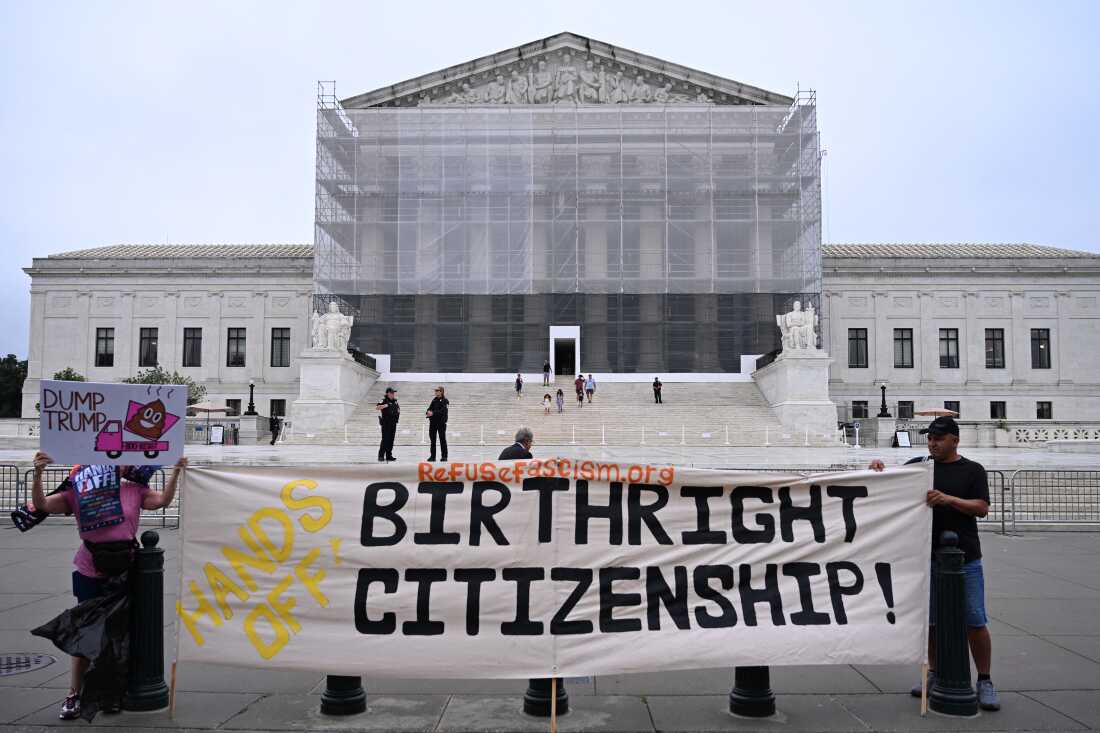






















This article is part of a three-article series on the Supreme Court. Read about birthright citizenship here and the recent SCOTUS case here.
The Supreme Court rulings have a huge effect on the direction of law in the United States. The choices over which cases to hear are just as important as the rulings themselves, and are completely up to the court.
What is the Supreme Court?
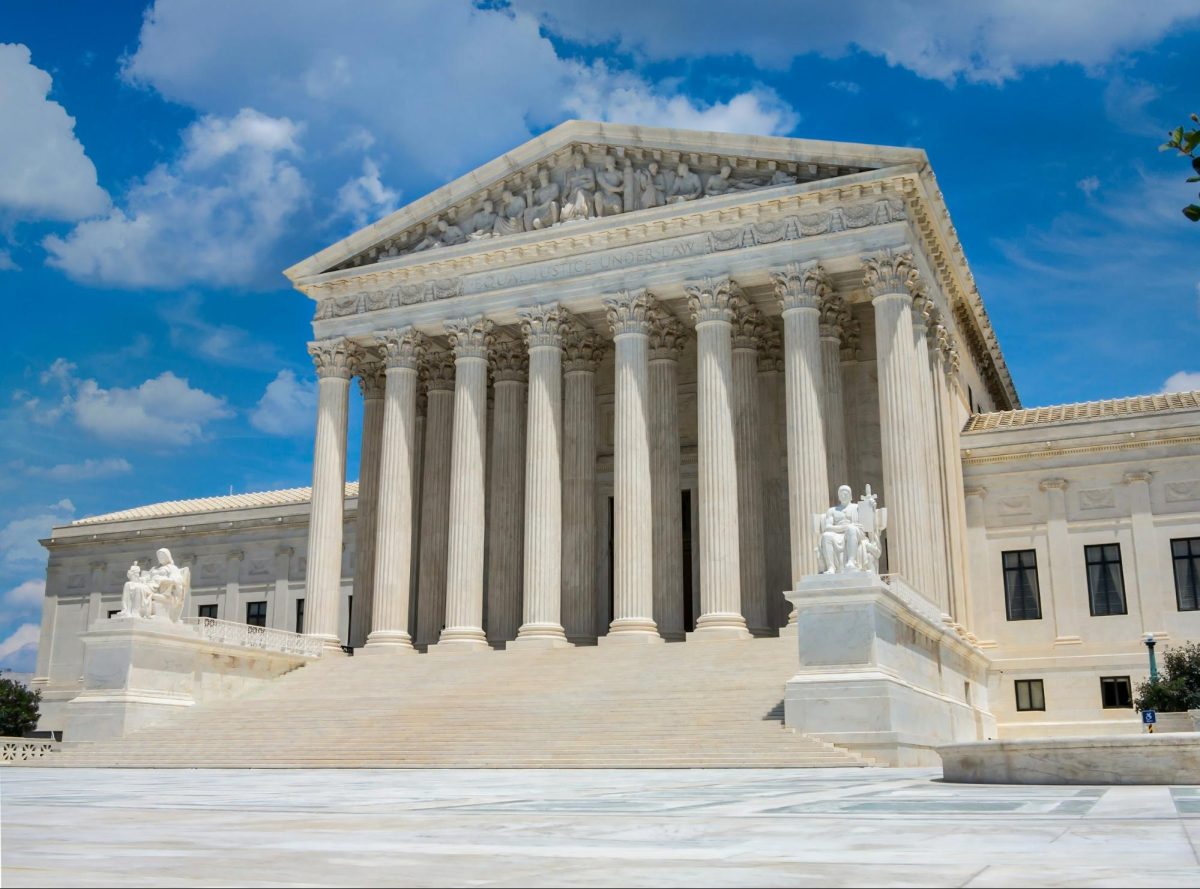
The Supreme Court is the highest tribunal of the United States and has jurisdiction over all cases concerning the Constitution or the laws of the U.S. (jurisdiction is essentially a court’s permission slip to handle a legal matter). The Court is charged with making the final decision on questions of federal law — cases involving federal statutes or federal constitutional rights — and protecting equal rights and justice under law.
Rule of four
There are nine justices within the Supreme Court. Over 10,000 petitions are presented in a year and a slim 65-70 cases are selected to be heard in court. After climbing the ladder of legal succession within the lower courts, a case will be heard or rejected based on the merits weighed. Four of the nine justices must approve of a case before it sees the inside of a courtroom, and from here, a writ of certiorari must be ordered — a legal order to send all records of the case (evidence, testimonies, etc.) to higher court.
Exceptions to the rule
While protocol dictates the full review process of lower courts before a case makes it to the Supreme Court, there are a number of exceptions to tradition.
The Constitution allows original jurisdiction for the Supreme Court — or the ability to hear a case first without it going through lower courts. These cases bypass traditional succession of lower court and are rarely seen. They usually revolve around state issues; boundary lines, water lines, etc. Despite the rarity of original jurisdiction cases, a special master is appointed by the justices to gather information before legal issues are decided.
Direct appeals authorized from Congress allows the review of federal trial court rulings without appearing before the courts of appeals. In this instance, cases are often high-profile and involve issues like redistricting, (the redrawing of electoral district boundaries for Congress, state legislatures, and local governments) or voting rights. Direct appeals are from a special three-judge district court.
Another way tradition is halted is during emergency dockets, or shadow dockets. Typically a “circuit justice” will review emergency applications and can present them to the court.
There has been a notable increase in shadow dockets on controversial policies recently, reflecting on the Trump administration which has submitted a considerable amount of emergency petitions compared to previous presidents. “Between March 2025 and 2026 alone, the Court has considered more than 30 such applications from the [Trump] administration and ruled in its favor 80 percent of the time, usually without oral arguments and with little or no explanation. That’s as many as the Biden administration filed across its full four years and more than twice as many as the Obama and George W. Bush administrations filed across their combined 16 years” says senior fellow Miriam Rosenbaum at the Office of the President at the Brennan Center.
Navigating court
Getting to the Supreme Court is an uphill battle, but how does it actually happen? A deeper look into how cases make it to the Supreme Court:
- Within the National Court System, cases are first brought to the lowest level; district court, of which there are 94. A judge presides (or manages) over the case and the ruling is made by a judge or jury.
- Depending on the ruling, the ruling may be appealed by going to the (13) Court of Appeals.
- Whether the case is won or lost, the petitioner will finally make an appeal to the Supreme Court called a “petition for a writ of certiorari,” which is what is heard by the Supreme Court when determining their docket.
(Note: a case reviewing the decisions of lower courts by the Supreme Court is called appellate jurisdiction, not to be confused for original jurisdiction)
- Once a case is taken by the Supreme Court, they are presented with file briefs presenting the constitutional arguments of their case (others involved in the case can write “Friend of the Court” or “amicus curiae” briefs explaining why the Court should choose one side as the winner over the other).
- After briefs are read, Justices hold oral arguments — this is the flashy bit in shows where lawyers present their respective sides, ask questions, bring up critical information, and hear the overall case beyond written text. While theatrical and filled with witty quips in our favorite shows, oral argument rarely produces new facts.
- The next step is to hold “conference”. Justices will meet every one to two weeks and discuss cases, these are strictly confidential, with no one else even allowed in the room. Here they cast votes on the case, the majority wins.
- Finally, after the majority vote has been decided, the most senior justice of the majority vote pool will write the majority opinion. This is then presented to the public.
Future Implications
It is important to recognize the power in Supreme Court case selection and rulings, as well as the further relevance of social media today. The Supreme Court’s ability to select what cases are tried in court means in many ways that they have power over what is in the news and what is fed to the masses. This power is amplified by the growing tool that is social media, which filters and further publicizes court cases, especially controversial topics in today’s society. Now more than ever is when we cannot lose sight of cases beyond the headlines, because, of the over 10,000 cases the Supreme Court is presented with, a slim 65-70 cases actually make it to the courtroom per year. Thousands of cases never make the headlines, never to be heard or discussed; the Supreme Court gets to determine whether we do or don’t. Ultimately, world perception and the information we consume is a pressing issue and skill left dormant. As we begin to face the responsibilities of adulthood, we need to stay informed on all world issues, not just the ones that make headlines.